Can Regularly Chewing Sugar-Free Gum Replace the Need to Brush?
Posted on 4/1/2026 by Robert F Walker Jr. PC |
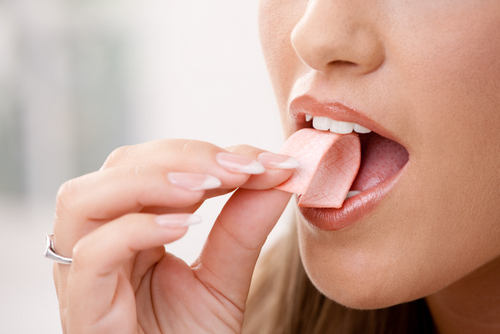 Let's explore a question that many people have asked: Can chewing sugar-free gum take the place of brushing your teeth? The answer is a bit more nuanced than a simple yes or no. While sugar-free gum offers some benefits for your teeth, it's crucial to understand its role in a complete oral care routine. Let's explore a question that many people have asked: Can chewing sugar-free gum take the place of brushing your teeth? The answer is a bit more nuanced than a simple yes or no. While sugar-free gum offers some benefits for your teeth, it's crucial to understand its role in a complete oral care routine.
The Upside of Sugar-Free Gum
Sugar-free gum can be a helpful tool in maintaining good oral health, primarily due to its ability to stimulate saliva production. Saliva is your mouth's natural defense mechanism. It helps neutralize acids produced by bacteria in your mouth after you eat. These acids are what attack your tooth enamel and lead to cavities.
Chewing gum, especially after meals or snacks, encourages your salivary glands to work harder. This increased saliva flow helps to wash away food particles and debris, reducing the amount of fuel available for bacteria. Furthermore, saliva contains minerals like calcium and phosphate, which can help remineralize weakened enamel, essentially helping to repair minor damage to your teeth.
Certain sugar-free gums contain ingredients like xylitol, a natural sugar alcohol. Xylitol has been shown to inhibit the growth of Streptococcus mutans, the primary bacteria responsible for tooth decay. By reducing the number of these bacteria, xylitol can further contribute to cavity prevention.
Why Brushing Remains Essential
Despite the advantages of sugar-free gum, it's not a substitute for brushing. Brushing with fluoride toothpaste is the cornerstone of effective oral care. Toothbrushes, when used correctly, physically remove plaque and bacteria from all surfaces of your teeth, especially in hard-to-reach areas that gum chewing simply cannot address.
Plaque is a sticky film that constantly forms on your teeth. If not removed regularly through brushing, it can harden into tartar (calculus). Tartar can only be removed by a dental professional during a cleaning. The bacteria within plaque and tartar produce acids that attack your enamel and irritate your gums, leading to cavities and gum disease.
Fluoride toothpaste strengthens tooth enamel, making it more resistant to acid attacks. Fluoride integrates into the enamel structure, creating a harder, more acid-resistant surface. This is a crucial element in prevention dentistry that gum cannot replicate.
The Verdict: A Complementary Role
Sugar-free gum can be a valuable addition to your oral hygiene routine, particularly when brushing isn't immediately possible after eating. For instance, chewing gum after lunch at work can help stimulate saliva flow and neutralize acids until you can brush later in the day.
However, remember that chewing gum is not a replacement for brushing and flossing. Brushing at least twice a day, flossing daily, and regular dental check-ups remain the most effective ways to maintain a healthy smile. Think of sugar-free gum as an extra layer of protection, working alongside your established oral care habits. It's a helpful supplement, but not a stand-alone solution.
|
|